
7 Simple Ways to Spot Your Child’s Strengths
10/7/20253 min read
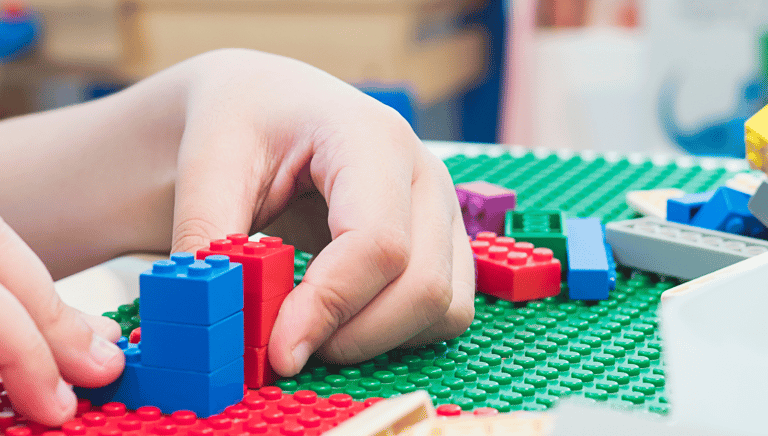
You know that moment when your child lights up doing something they love? Maybe it’s when they’re lost in a LEGO build, giving a detailed explanation of why dinosaurs disappeared, or jumping in to settle a playground argument. Those aren’t just cute quirks—they’re little windows into your child’s unique strengths.
As parents, it’s so easy to zero in on what’s not working—missing homework, messy handwriting, math meltdowns. But research shows that focusing on strengths is actually much more powerful. Clifton’s StrengthsFinder studies found that people who use their natural strengths every day are not only happier but also more engaged in their work and school life.
The tricky part? Strengths don’t always shout for attention the way struggles do. They often feel so natural to your child that you (and even they) might overlook them. The good news is, with a little curiosity, you can start playing detective and uncover the things your child is naturally wired to do well. Here’s how.
1. Notice Their “Flow State”
Have you seen your child get so absorbed in something that they lose track of time? That’s what psychologist Mihaly Csikszentmihalyi called “flow”—when our abilities and the challenge of the task match up just right.
Look for activities where your child seems energized rather than drained, asks for “just a few more minutes,” or pushes themselves without you nagging.
Example: Maybe your daughter spends hours sketching animals and inventing stories about them. That’s more than doodling—that’s creativity, persistence, and storytelling rolled into one.
2. Spot What Comes Naturally
Sometimes strengths hide in plain sight because they feel so easy. If your child whizzes through reading or puzzles, you may not even think of it as a strength.
Ask yourself: What do they “just get” without much teaching?
Pro tip: Chat with other parents or teachers. What seems “normal” in your house might actually be something special.
3. Pay Attention to What Others Say
Teachers, coaches, and even other kids often notice strengths we miss. Comments like:
“She’s a natural leader.”
“He makes everyone laugh.”
“She’s really thoughtful.”
Howard Gardner’s theory of multiple intelligences reminds us that “smart” shows up in many ways—music, people skills, problem-solving, empathy. Listen closely to what others see in your child.
4. Watch Their Problem-Solving Style
Every child has a go-to way of tackling challenges. Some like to plan, others experiment, some rope in a team, others power through solo.
Ask yourself: When faced with a problem, does my child organize, experiment, collaborate, or persist?
None of these is better than the others—they’re all valuable strengths in different situations.
5. Notice What Energizes vs. Drains Them
Here’s a simple rule of thumb from researcher Marcus Buckingham: strengths give energy, weaknesses drain it—even when you’re good at them.
Try an “energy check.” After homework, soccer practice, or music class, ask: Did that make you feel excited or exhausted? Watch their body language too.
This doesn’t mean kids should skip hard things, but knowing what energizes them helps you spot their natural talents.
6. Tune Into Their Interests and Questions
Kids’ questions are like breadcrumbs leading you to their strengths. Do they constantly ask how things work? Worry about fairness? Get curious about people’s feelings?
Interests—no matter how narrow—can point to deeper abilities like analytical thinking, creativity, moral reasoning, or empathy.
7. Look for Strengths Hiding in Struggles
Sometimes what looks like a “problem” is actually a strength in disguise. The kid who argues every rule may be showing critical thinking. The child who “can’t sit still” might have amazing physical intelligence that thrives in active settings.
Instead of asking “What’s wrong?” try asking, “How could this be a strength in a different setting?”
The Bottom Line: A New Way to See Your Child
Spotting strengths isn’t about ignoring weaknesses—it’s about shifting your perspective. When you start looking for what’s working well, you’ll see more confidence, resilience, and joy in your child.
Remember: every child has strengths. They may not look like what we expect. The quiet kid might be an incredible observer. The class clown might be a natural communicator. The question-asker might be a future innovator.
Your role isn’t to create strengths—they’re already there. Your job is to notice them, name them, and help your child see them too. Because when kids know what they’re good at, they don’t just succeed more—they become more themselves.
What’s one strength you’ve spotted in your child that surprised you? Sometimes the most powerful step is simply starting to look with fresh eyes.