
7 Essential Ways You Can Help Your Child Build Stronger Friendships
Help your child navigate the social scene with confidence! In this blog, you'll discover 7 essential strategies to help your child build stronger friendships, develop empathy, improve communication, and resolve conflicts. Perfect for parents looking for simple, practical tips to guide their child through the ups and downs of friendships. Read on for expert advice and real-life examples.
10/1/2025

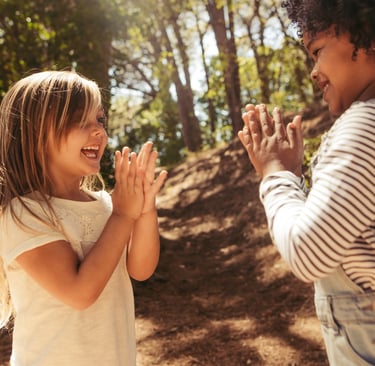
As a parent, watching your child navigate friendships can sometimes feel like watching them walk a tightrope. One day, they’re laughing with their best friend, and the next, they're coming home upset because someone didn’t sit with them at lunch. It’s natural to want to swoop in and fix everything, but developing strong friendship skills is something that takes time and support. Here’s how you can help your child build lasting, meaningful friendships.
Understanding the Friendship Landscape
Friendship today looks a bit different than it did when we were kids. Social media and busy schedules have introduced new challenges, and children now often spend more time in structured activities than engaging in free play. However, the core elements of friendship—kindness, empathy, communication, and conflict resolution—remain the same. These are the building blocks of all healthy relationships, and teaching them to our children is one of the most important things we can do.
Building Blocks of Friendship Skills
1. Empathy and Perspective-Taking
Helping your child develop empathy is key. When your child talks about a friend or an interaction that didn’t go well, ask questions like, “How do you think Sarah felt?” or “What might have been going on with Marcus that day?” These conversations can encourage your child to step outside of their own experience and understand how others feel. Empathy is foundational to forming and maintaining friendships.
2. Communication Skills
Many conflicts among friends arise from miscommunication or assumptions. Teach your child how to express their feelings in a healthy, constructive way. Encourage them to use “I” statements, such as, “I felt hurt when you didn’t save me a seat” instead of “You’re mean for not saving me a seat.” Role-playing different scenarios at home can help your child practice these skills and make them feel more confident in real-life situations.
3. Conflict Resolution
Arguments and disagreements are natural parts of friendship, but it's important for your child to know how to navigate them. Help your child understand that good friends can disagree and still care about each other. Practice strategies like taking turns talking, finding compromises, and knowing when it’s okay to agree to disagree. Teach them that solving problems doesn’t always mean “winning”—sometimes, it’s about understanding each other better.
4. Social Awareness
Being able to read social cues is essential. Help your child learn how to notice things like body language, tone of voice, and when someone might need space. Discuss how to join a conversation respectfully or recognize when it’s not a good time to approach someone. This helps your child understand group dynamics and navigate social situations with more ease.
Practical Strategies for Parents
1. Create Opportunities for Friendship
Organizing playdates can be a great way to foster connections, but keep them low-pressure and casual. A few children for a couple of hours is often more successful than a big, elaborate party. Take your child’s personality into account—some kids thrive in large groups, while others do better with one-on-one interactions.
Encourage your child to participate in activities they enjoy, whether it's sports, music, or art. When kids engage in things they’re passionate about, they’re more likely to connect with like-minded peers.
2. Model Healthy Relationships
Children learn a lot by watching the adults around them. Let your child see you maintaining healthy friendships, resolving conflicts respectfully, and treating others with kindness. Share your own friendship experiences when appropriate—both the highs and the challenges—so your child can learn from your example.
3. Listen Without Fixing
When your child comes to you upset about a friendship issue, resist the urge to jump in with solutions. Start by listening and acknowledging their feelings: “That sounds really frustrating,” or “I can see why that upset you.” Sometimes, just being heard can help children come to their own solutions. Give them the space to process and reflect, and trust that they’ll figure things out with your support.
4. Teach the Difference Between Friendship Problems and Serious Issues
Some conflicts are normal and part of growing up, but others may require adult intervention. Help your child understand the difference between everyday disagreements and situations that involve bullying or exclusion. Teach them that if they ever feel unsafe or uncomfortable, they should come to you right away.
Supporting Different Personality Types
For Shy or Introverted Children
Don’t try to change your child’s personality, but instead help them find ways to connect with others in ways that feel comfortable for them. Some children prefer smaller groups or one-on-one friendships, and that’s perfectly okay. Practice conversation starters, and help them see their strengths, such as being a good listener or having unique interests to share.
For Outgoing Children
Highly social kids may sometimes have trouble recognizing when others need space or are uncomfortable. Help them develop awareness of other people’s boundaries, and practice taking turns in conversation. Being a good friend also means making sure that everyone feels included and valued.
For Children Who March to Their Own Beat
Some kids have unique interests or ways of expressing themselves. Encourage them to embrace their individuality while also teaching them basic social courtesies. Help them find peers who share their passions, but also encourage them to show interest in what others enjoy too. Balance is key!
When to Step In
While most friendship issues resolve themselves naturally, there are times when you’ll need to step in. If you notice patterns of exclusion, bullying, or your child seems consistently upset by friendships, it’s time to take action. You can contact teachers, other parents, or a school counselor for additional support. But be careful not to get too involved in the day-to-day drama—sometimes, kids just need a little time and space to figure things out on their own.
Building Long-Term Social Success
Remember, friendship skills take time to develop. Your seven-year-old won’t handle conflicts the same way as your ten-year-old, and that’s perfectly normal. Instead of aiming for perfection, focus on progress and celebrate small victories along the way.
The goal isn’t for your child to have dozens of friends or be the most popular kid in school. The real goal is to help them develop the tools to build meaningful relationships, treat others with kindness, and navigate the inevitable ups and downs of social life.
Teaching friendship skills is essentially teaching life skills. The child who learns to communicate clearly, show empathy, and resolve conflicts respectfully will carry these abilities into every relationship they have, from childhood all the way into adulthood. With your patience, support, and encouragement, your child will have the confidence and skills they need to develop lasting, healthy friendships.